

The Pittsburgh Steelers, once hailed as the gold standard of stability and blue collar excellence, now find themselves at the center of a swirling storm of criticism, speculation, and frustration that refuses to quiet down across the league.
For years, the franchise prided itself on consistency, patience, and loyalty, yet today fans and analysts alike are openly questioning whether that very loyalty has slowly morphed into stagnation hiding behind the comforting glow of past championships.
When whispers began circulating that Mike Tomlin could be ready to walk away, the reaction was not simple surprise but a thunderclap of debate, as many argued that no coach willingly abandons stability unless something deeper is fundamentally broken.
:max_bytes(150000):strip_icc():focal(689x219:691x221)/Mike-Tomlin-3-a2e31bd0625340ffafdd9aa69e45ff4e.jpg)
Social media erupted with heated threads dissecting every draft decision, every conservative fourth quarter call, and every ambiguous press conference comment, turning what once felt like routine struggles into supposed evidence of institutional confusion.
Art Rooney II, long viewed as the calm steward of a proud football lineage, suddenly became a lightning rod for criticism from fans who believe the organization's decision making lacks the boldness required in a hyper competitive modern NFL.
The question echoing through Pittsburgh sports radio is brutally simple yet profoundly uncomfortable: has the Steelers' commitment to tradition become the very anchor dragging them away from meaningful postseason success?
Critics argue that stability without evolution is merely complacency wearing a respectable suit, and they point to seasons ending in early playoff exits as proof that patience can quietly erode competitive edge.
Defenders counter that Tomlin has never endured a losing season, insisting that consistency in a volatile league should be celebrated rather than weaponized against a coach who has outlasted constant roster turnover.
Yet the tension between statistical success and championship expectations continues to widen, creating a perception that the Steelers are trapped between honoring their identity and confronting the uncomfortable need for radical change.
The organization's quarterback transitions in recent years have only amplified the noise, with each decision scrutinized as either visionary or misguided depending on which side of the digital battlefield one chooses.
Some insiders suggest that philosophical disagreements about roster construction and offensive direction have quietly simmered beneath the surface, though the franchise publicly maintains its trademark message of unity and internal alignment.
In today's NFL, perception spreads faster than facts, and the mere suggestion of internal disarray can snowball into a narrative so powerful that it begins shaping reality regardless of official denials.
Fans who once defended every cautious move now flood comment sections demanding aggression in free agency, daring trades, and a willingness to risk short term discomfort for long term resurgence.
The irony is impossible to ignore, because the Steelers built their dynasty on disciplined patience, yet the modern audience craves dramatic reinvention in a league increasingly driven by bold quarterback acquisitions and offensive fireworks.
Mike Tomlin's calm demeanor, once praised as steady leadership, is now interpreted by critics as detachment, a shift in perception that reveals more about rising expectations than about any confirmed internal fracture.
Art Rooney II faces a uniquely modern dilemma: protect the brand's legacy of loyalty or respond to a fan base conditioned by instant analysis and viral outrage that demands visible accountability.
Every draft pick is dissected as a referendum on organizational vision, every coordinator hire framed as either evidence of innovation or proof that the franchise remains stubbornly resistant to external influence.
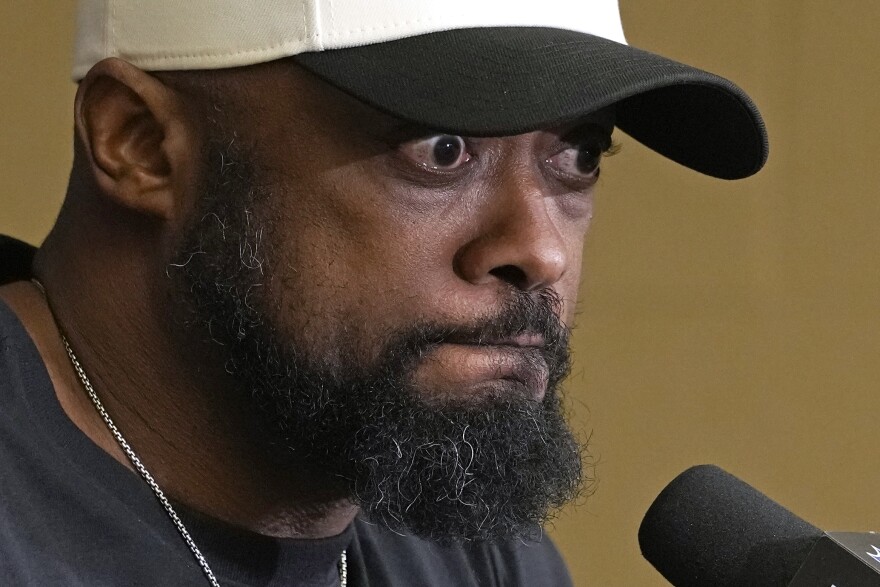
It is within this climate that the phrase "No wonder Mike Tomlin left" gained traction online, less as a verified statement and more as an emotional conclusion drawn from mounting frustration.
Such declarations thrive because they capture a feeling rather than confirm a fact, distilling years of unmet expectations into a single provocative sentence engineered for shares and heated replies.
Whether Tomlin actually intends to depart or not, the viral momentum behind that narrative reveals a fan base no longer satisfied with respectable records absent deep January triumphs.
The Steelers' proud history of minimal coaching turnover, once a badge of honor, is now reframed by skeptics as an unwillingness to confront uncomfortable truths about strategic stagnation.
Television panels amplify the debate by juxtaposing Pittsburgh's conservative roster building with franchises that aggressively chase franchise quarterbacks, creating a stark contrast that fuels further online polarization.
At the heart of the controversy lies a philosophical divide about what success truly means in professional football: sustained competitiveness or championship or bust ambition that tolerates volatility.
Tomlin's defenders insist that firing or forcing out a proven leader would invite chaos, pointing to organizations trapped in endless coaching cycles as cautionary tales the Steelers have historically avoided.
Opponents argue that fear of instability can become a self fulfilling prophecy, trapping a team in mediocrity while braver rivals leap ahead with transformative decisions that initially seemed reckless.
Art Rooney II's public statements emphasize collaboration and trust, yet skeptics interpret carefully chosen words as corporate diplomacy designed to contain a narrative spiraling beyond organizational control.
In an era where players voice opinions openly and fans mobilize digital campaigns within hours, even minor strategic disagreements can evolve into full blown reputational crises.
The Steelers' locker room culture, long celebrated for resilience, now finds itself analyzed for subtle signs of disconnect, as body language and sideline expressions become fodder for speculative commentary.
None of this definitively proves disarray, yet the accumulation of questions without emphatic answers creates a vacuum eagerly filled by influencers, podcasters, and former players offering conflicting interpretations.
Perhaps the most striking element of this saga is how quickly admiration transforms into impatience when championships feel distant, illustrating the unforgiving psychology of elite sports markets.
Pittsburgh remains fiercely loyal, but loyalty does not preclude frustration, and that frustration has manifested in a willingness to publicly challenge decisions once accepted without hesitation.
The debate surrounding Tomlin's future has become a mirror reflecting broader tensions within the organization about identity, risk tolerance, and the price of preserving tradition.
Even neutral observers acknowledge that the Steelers stand at a crossroads where incremental adjustments may no longer satisfy a restless fan base yearning for unmistakable direction.
If Tomlin were to depart, it would not merely signal the end of a coaching tenure but the closing of an era defined by continuity in a league addicted to rapid transformation.
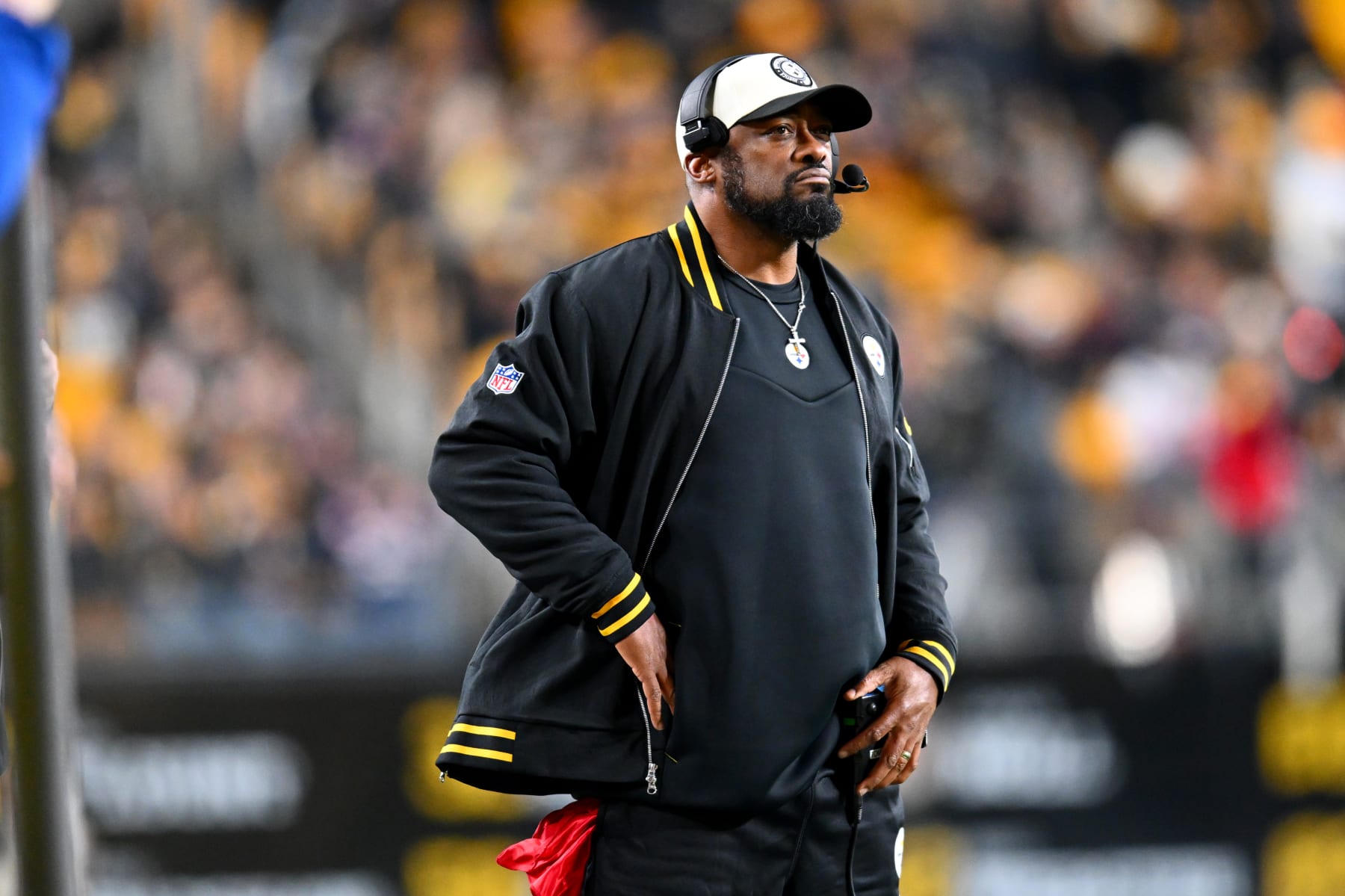
Conversely, if he remains, the pressure intensifies exponentially, because staying would frame every upcoming season as a referendum on whether patience was visionary or misguided.
Art Rooney II must navigate these competing narratives carefully, balancing transparency with discretion while understanding that silence in the digital age often invites louder speculation.
What makes this moment so combustible is not a single catastrophic failure but the cumulative weight of near misses, conservative choices, and unmet postseason aspirations.
The Steelers have not collapsed into irrelevance, yet they hover in a gray zone that feels far more unsettling than clear decline or triumphant dominance.
That ambiguity fuels the viral sentiment that something is fundamentally off balance, even if concrete evidence remains elusive and official channels project unwavering confidence.
In many ways, the controversy says as much about evolving fan psychology as it does about internal management, revealing how expectations escalate in a league driven by spectacle.
Whether history ultimately vindicates Rooney and Tomlin or validates the critics, one truth remains undeniable: the conversation has shifted from quiet trust to loud accountability.
And in a city that breathes football with generational pride, that shift alone is powerful enough to create a firestorm capable of reshaping the Steelers' future for years to come.
